

What a Notice of Default Means in Ohio
Ohio is a judicial foreclosure state, which means your lender cannot simply take your home without going through the court system. This is an important distinction from states that use a non-judicial (trustee’s sale) process, where foreclosure can happen in as little as 90 days with minimal court oversight.
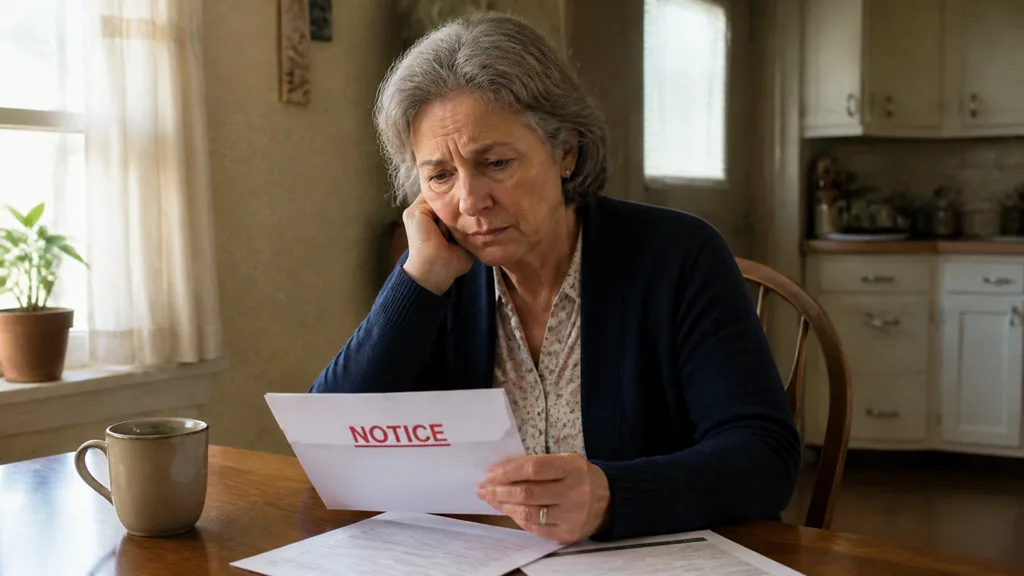
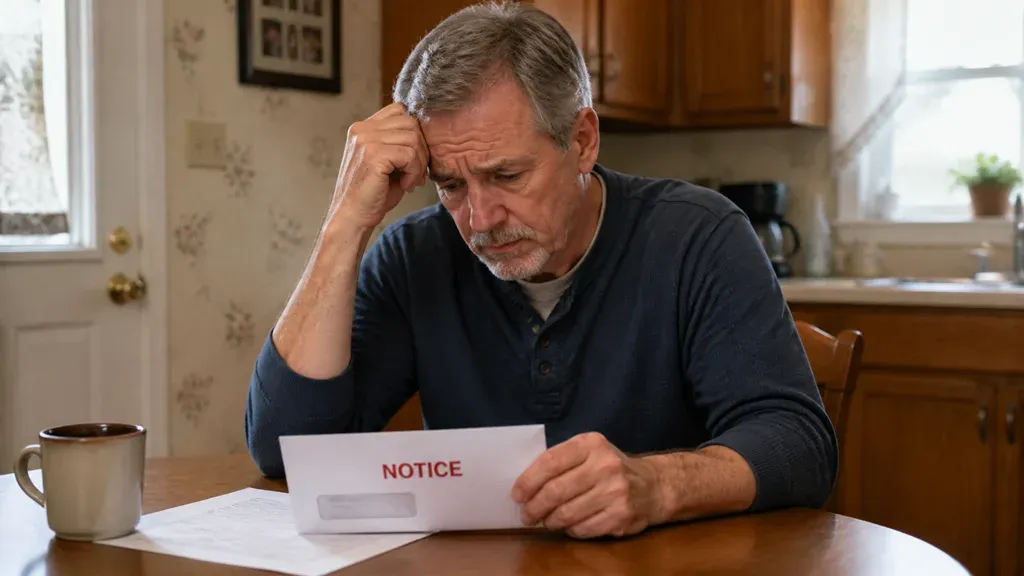
In Ohio, the practical equivalent of a "notice of default" is a breach letter - sometimes called a paragraph 22 notice or acceleration letter - that your lender is required to send before filing a foreclosure complaint in court. This letter is mandated by most standard mortgage contracts and must give you at least 30 days to cure the default by catching up on missed payments before the lender takes legal action.
The breach letter typically states:
- The amount you are behind (the default amount)
- The deadline to cure - typically 30 days from the date of the letter
- That failure to cure will result in the lender accelerating the loan (meaning the full balance becomes due) and filing a foreclosure complaint in court
If you have received this letter, you are in the pre-foreclosure stage. The lender has not yet filed a lawsuit, which means you still have the most options available to you. Acting during this window - rather than waiting - gives you the best chance of a good outcome.
What Happens After the Breach Letter If You Do Not Act
If the 30-day cure period passes without payment or a workout agreement, your lender’s next step is to file a foreclosure complaint in the Cuyahoga County Common Pleas Court (or the Common Pleas Court of whatever Ohio county your property is located in). At this point, the foreclosure is a matter of public record - court filings are searchable, and the complaint will eventually be published in a local newspaper and physically posted on your property as required by Ohio law.
Once the complaint is filed, here is the typical sequence in Ohio:
- Complaint filed: the lender files with the county court. You are officially a defendant in a civil lawsuit.
- Service of summons: you are served with the complaint and a summons - either in person by the county sheriff or by certified mail. This starts your response clock.
- 28-day answer period: you have 28 days from the date of service to file a formal answer with the court. Filing an answer does not stop the foreclosure, but it requires the lender to prove their case rather than winning by default judgment.
- Mediation: Cuyahoga County requires foreclosure mediation in most residential cases - a process where you and the lender meet with a neutral mediator to explore workout options before the case proceeds to judgment. This is a genuine opportunity to negotiate a loan modification or other resolution.
- Judgment and sheriff’s sale order: if no resolution is reached, the court enters a foreclosure judgment and orders the property sold at a sheriff’s sale.
- Sheriff’s sale: the property is sold at public auction. In Cuyahoga County, the minimum bid is set at two-thirds of the court-appraised value.
- Confirmation: the court confirms the sale. Your right of redemption generally expires at confirmation.
The full timeline from complaint filing to sheriff’s sale typically runs 6 to 18 months in Cuyahoga County, depending on court schedules and whether the homeowner participates in the process. This is one of the longer foreclosure timelines in the country - and it exists specifically to give Ohio homeowners meaningful opportunities to resolve the situation.
Homeowners in Garfield Heights who have received a breach letter or foreclosure complaint can reach out to us for a no-obligation conversation about their options. Visit our Garfield Heights home buying page to learn more about how we work with sellers in pre-foreclosure situations.
What to Do When You Receive a Default Notice in Ohio
Here are the five most important steps to take immediately after receiving a breach letter or foreclosure summons:
1. Read the document carefully and note the deadlines. The breach letter has a specific cure date. The court summons has a 28-day response deadline. Missing these dates costs you options. Write down every deadline and put them in your calendar now.
2. Contact your lender’s loss mitigation department - not just their general line. Most major mortgage servicers have a dedicated loss mitigation team whose job is to work out alternatives to foreclosure. Options they may offer include forbearance (temporary payment pause), loan modification (permanent change to loan terms), or a repayment plan. These options are only available if you apply - the lender will not offer them proactively. Call and ask specifically to speak with loss mitigation.
3. Consult a HUD-approved housing counselor. The U.S. Department of Housing and Urban Development certifies free foreclosure counseling agencies in Ohio. These counselors have experience negotiating with mortgage servicers and can help you understand your options without any financial interest in the outcome. This is one of the most valuable free resources available to Ohio homeowners in default.
4. Talk to a foreclosure defense attorney. Ohio law gives you the right to contest the foreclosure. A qualified Ohio foreclosure attorney can review the complaint for procedural defects, challenge the lender’s standing to foreclose, and buy you additional time. Many offer free initial consultations.
5. Evaluate whether selling is the right option. If you have equity in the home and do not want to keep it, selling before the foreclosure completes allows you to pay off the mortgage, preserve your credit far better than a completed foreclosure, and potentially walk away with proceeds. A cash sale can close in as little as 7 to 14 days - fast enough to stop a pending foreclosure if you act while there is still time on the clock.
Sellers in Geneva and the Lake County area have used a direct cash sale to stop the foreclosure process cleanly and move on without the years of credit damage a completed foreclosure causes. If that option interests you, visit our Geneva home buying page to learn more.
Your Options When You Are in Default on an Ohio Home
Once you have taken the immediate steps above, you need to evaluate which path forward makes sense for your situation. Here is a clear summary of the realistic options:
Reinstatement: pay the full amount past due (back payments, late fees, legal costs if the complaint has already been filed) to bring the loan current. This stops the foreclosure immediately and restores your original loan terms. If you can access the funds - through savings, family, a refinance, or a personal loan - reinstatement is the cleanest outcome.
Loan modification: negotiate with your servicer to permanently change your loan terms - lower interest rate, extended term, reduced principal in some cases - to bring your payment to an affordable level. Modifications take time and are not guaranteed, but they are worth pursuing in parallel with other options.
Short sale: sell the property for less than the loan balance with the lender’s approval. The lender typically agrees to accept the sale proceeds as full satisfaction of the debt (including a deficiency waiver). A short sale causes less credit damage than a completed foreclosure and is typically the right choice when you owe more than the property is worth.
Deed in lieu of foreclosure: voluntarily transfer the property to the lender in exchange for release of the mortgage debt. The lender must agree. This avoids the public sheriff’s sale process but still has significant credit consequences.
Cash sale to pay off the mortgage: if you have equity (the property is worth more than you owe), a cash sale is often the fastest and cleanest resolution. The proceeds pay off the mortgage at closing, the foreclosure complaint is dismissed, and you avoid the credit damage of a completed judicial foreclosure. A local cash buyer can close in 7 to 21 days.
If you are in Grafton or the surrounding Lorain County communities and are trying to decide which option makes sense, we are happy to walk through the numbers with you. Visit our Grafton home buying page or call Chris directly at (216) 677-2169.
The Most Important Thing to Remember
A notice of default is not the end. It is a warning. Ohio’s judicial process exists specifically to give homeowners time and opportunity to resolve their situation before losing their home. The homeowners who come out of this experience with the best outcomes are the ones who engage with the process early rather than waiting and hoping the problem goes away.
If you have received a default notice and want to understand what your options look like specifically for your Cleveland-area property, call us at (216) 677-2169 or fill out our contact form. We will give you an honest picture of your situation and a clear path toward your fresh start - whatever that looks like for you.